The Baker Podcast
Making the fire service better than you found it.
Maintaining the Work and Life Balance

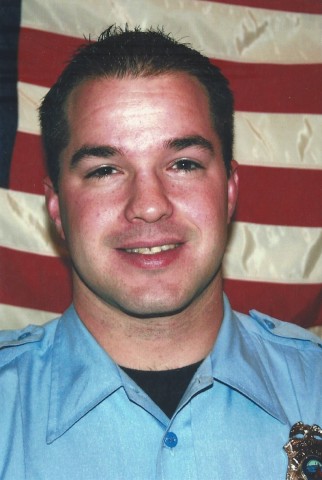
Image Credits: Author | Circa 2006 | Patterson, California
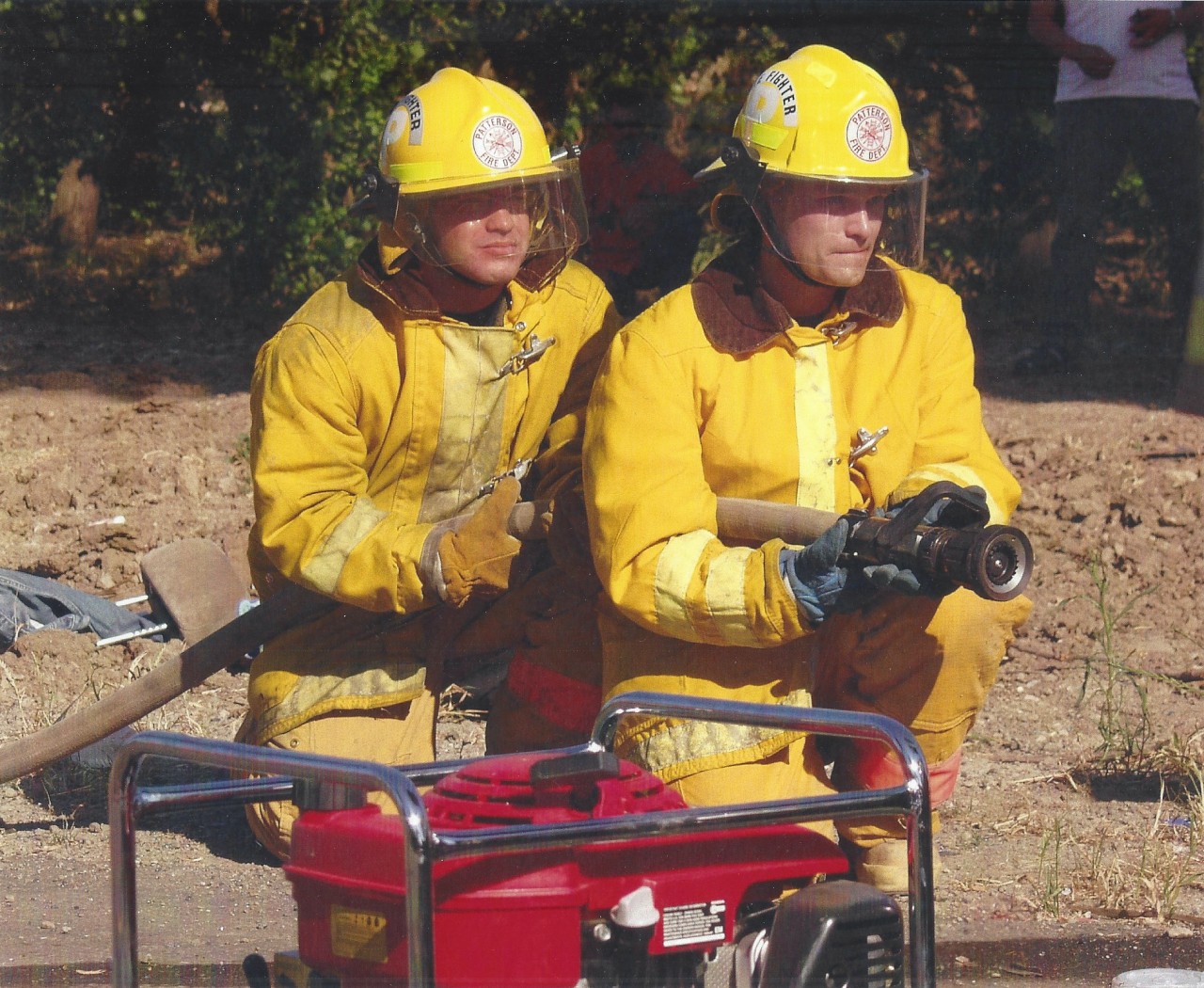
Image Credits: Author | Volunteer Firefighter Philip Jaramillo (R) | Circa 2006 | Patterson, California
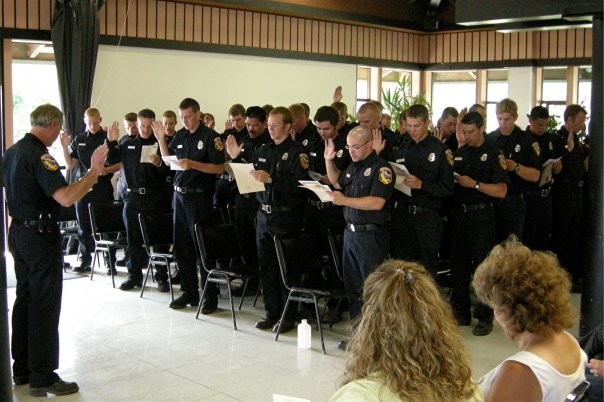
Image Credits: Author | Circa 2008 | Susanville HQ | Susanville, California
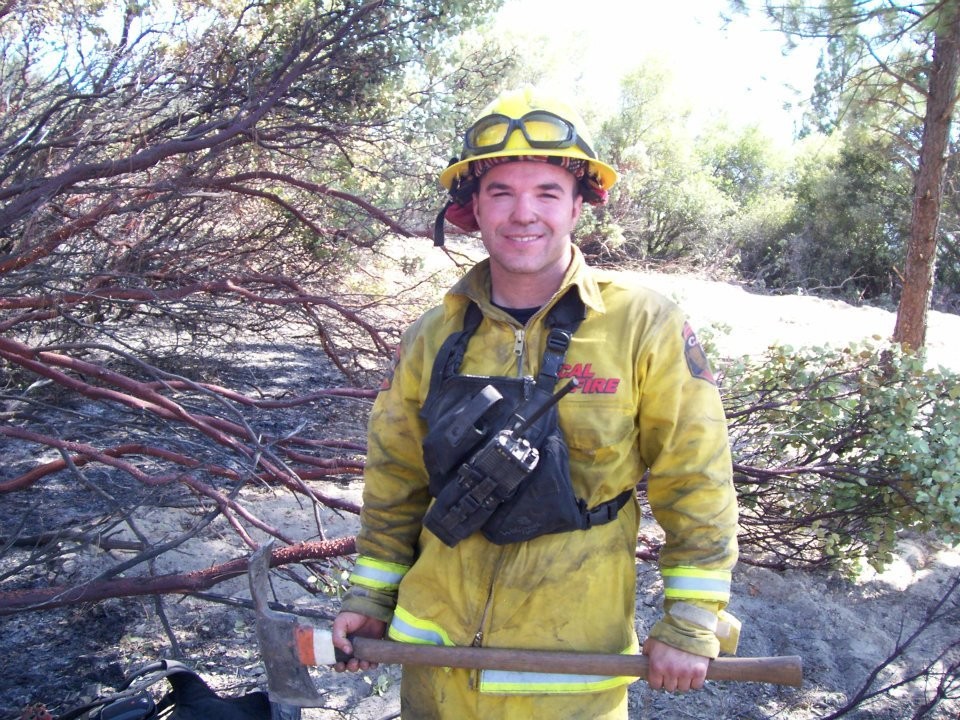
Image Credits: Author | Circa August 2008 | Craig Fire Incident | Oroville, California
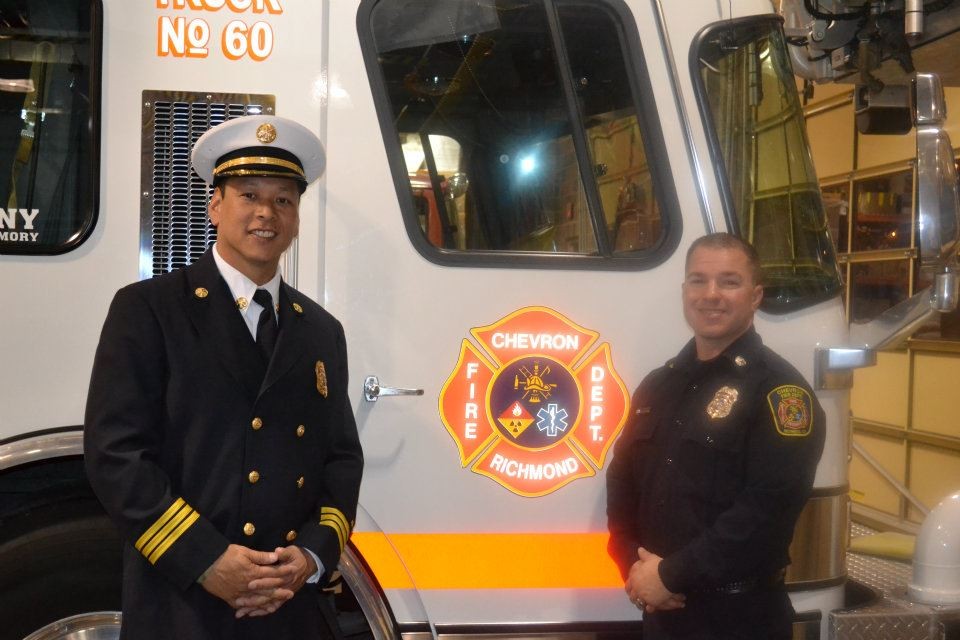
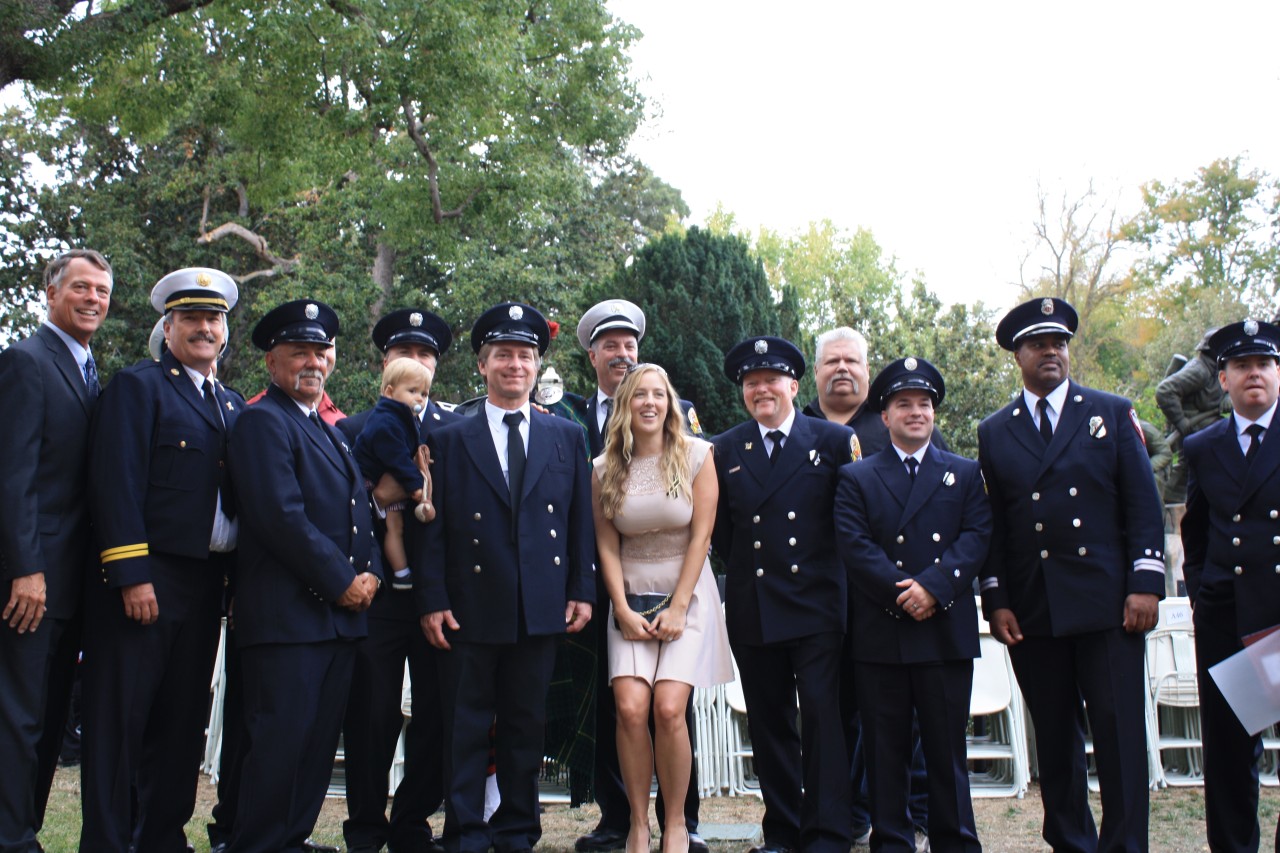
Image Credits: Author | Battalion Chief Mario Ferrer (L) | Circa 2011 | Chevron Fire Department | Richmond, California
Throughout my fire service career, I have worked nearly every shift schedule available. When I first started as a volunteer, I signed up for 24-hour shifts on a Kelly Schedule as a paid reserve. About a year later, I received the opportunity to be a wildland firefighter and transitioned to the 72-hour shift schedule. As a wildland firefighter, I soon discovered that strike team deployments were chasing campaign fires all over the State of California. The next shift assignment I worked was a little different, and it was a rotating 12-hour schedule between day and night shifts. My body really never knew what time it was, and I learned that I could sleep just about anytime during the day.
My last shift assignment was a more common one, called the 48/96 schedule, which involved working two consecutive days. This assignment is known as the "commuter schedule," and I was indeed a commuter for three years. My residence was three hours one way from my duty station, and this commute made it difficult to work in a busy system. On this schedule, I drove my personal vehicle three hours to work, and I was driving the fire engine for a total of 24-48 hours at work. There were some nights when you were known as the "sleepless knights" and didn't get any rest while on duty. I would drive home at the completion of my shift and literally sleep a full day once I got back home.
The reason I am sharing these various shift assignments is to paint a picture of the different work schedules one could have in the Fire Service. In my earlier years as a seasonal wildland firefighter, I would work a whole 28 days in a pay period. This was known as "blacking out" a pay period. If you were really lucky, you could black out two pay periods in a row if you were on a lightning siege or on a major campaign fire in Southern California.
Over the twenty years that I've served in the fire service, I have struggled to maintain a work-life balance for various reasons. The demands of a public safety servant are extreme, including overtime, shift trades, mandatory training, off-duty community events, union meetings, and, of course, coverage for vacation/sick leave. It is extremely easy to pour yourself into the demanding role of a public servant in the fire service.
Then life happens, and you start a family and begin settling down with children. This is when life hits you, and you start struggling with the delicate balance between work and life. You want to be at home with your family, and you also want to be a dedicated public safety servant. I almost felt like I was living two different lives. One of those lives was at my home, with my family, and the other was at the firehouse, with my work family.
A very wise mentor shared with me that it is essential to manage my time more effectively in case of any unexpected events. He would always give me hints that things happen, and you have to leave room in your schedule for these events. Everything was starting to make sense when, sure enough, life happened, and I was again struggling to maintain this work-life balance. A lesson lived is a lesson learned, and I learned the hard way. Life happens when we least expect it, and your family at home should be your ultimate priority. Through experience, I learned to pace myself in my fire service career and leave room for my life at home. There is only so much time in the day, and you have to find that balance between work and life.
In reality, there is no such thing as balance. We will all be overwhelmed or over-committed at some point in our lives. The key is to have an open and honest relationship with your spouse and friends who aren't afraid of reminding you that you're "out of balance." We have to receive these words of admonition with appreciation because, in our passionate pursuit of the fire service, we often lose sight of the ones we should be committed to the most: Our families. Our great love and passion for the fire service should stem from our greater love for God and our families. So I leave you with this advice before you commit to another opportunity to ask yourself these questions:
- Will this strengthen my faith?
- Will this make me a better spouse/parent?
- Will this make me a better firefighter?
If the answer is no to the first two, we should be very cautious about accepting these opportunities. A mentor once told me that the worst thing he did in life was when opportunities came knocking, and he said yes to all of them. And by doing so, he said no to God and his family.
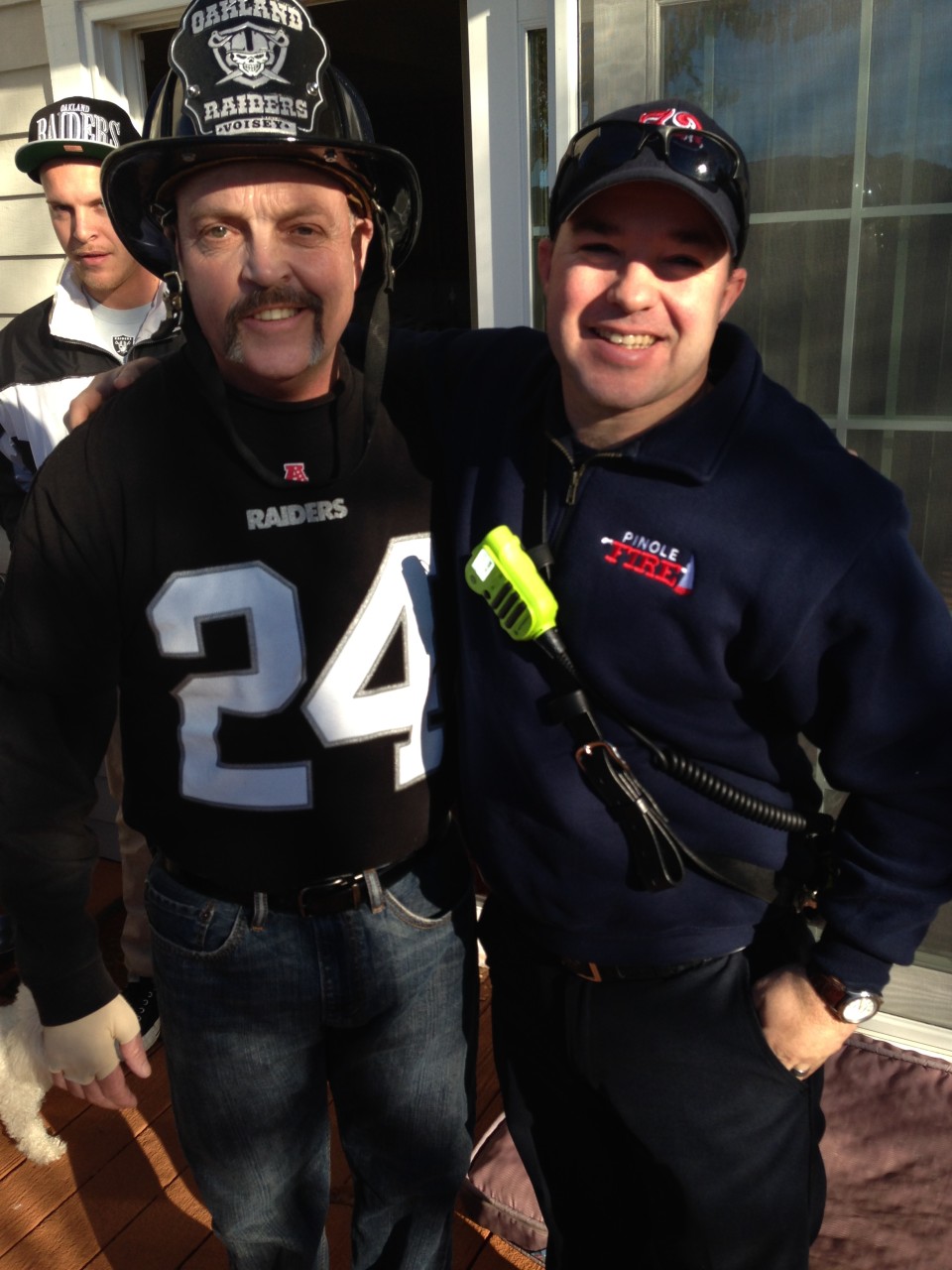
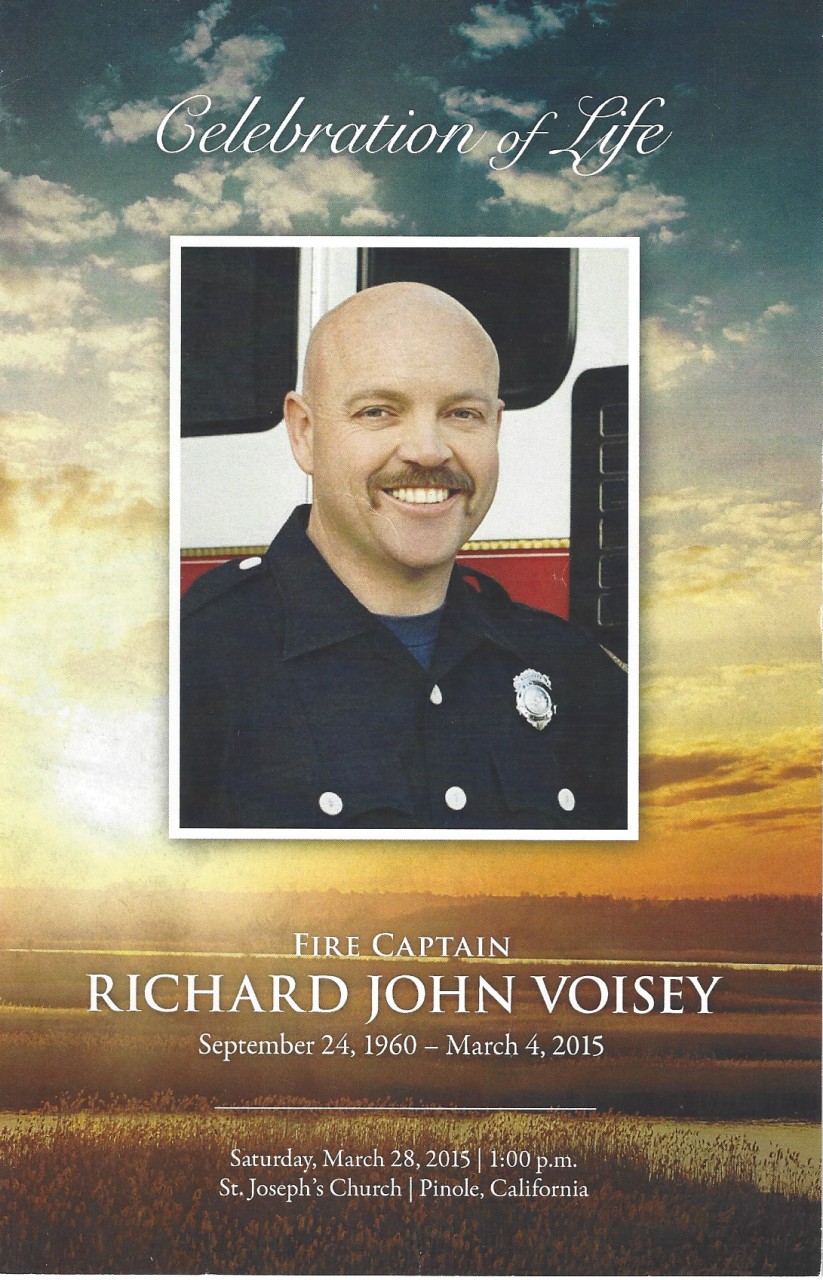
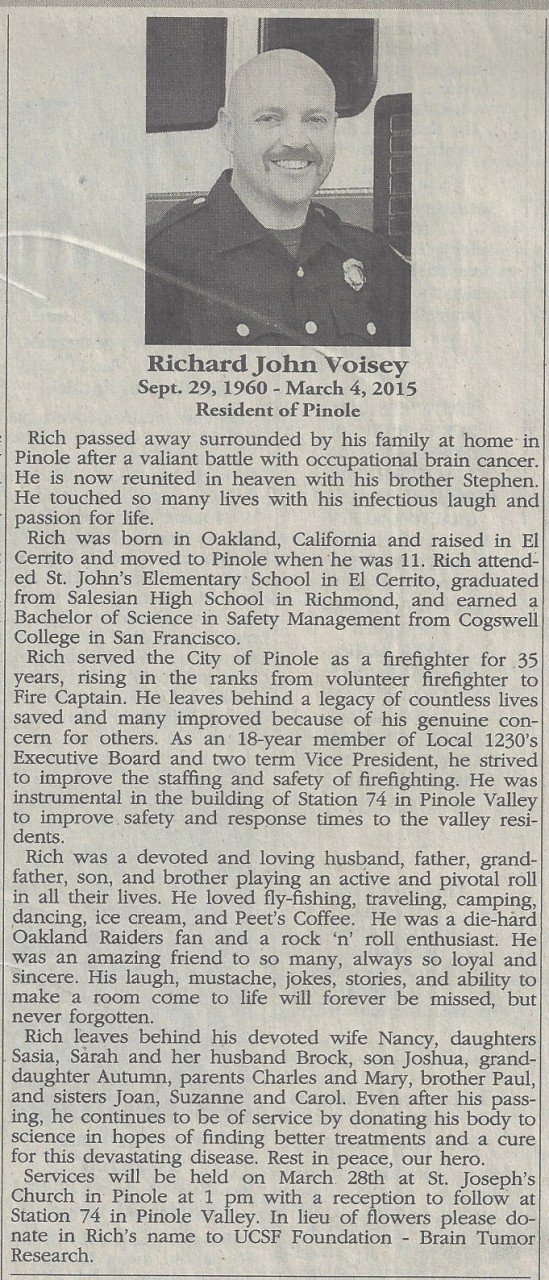
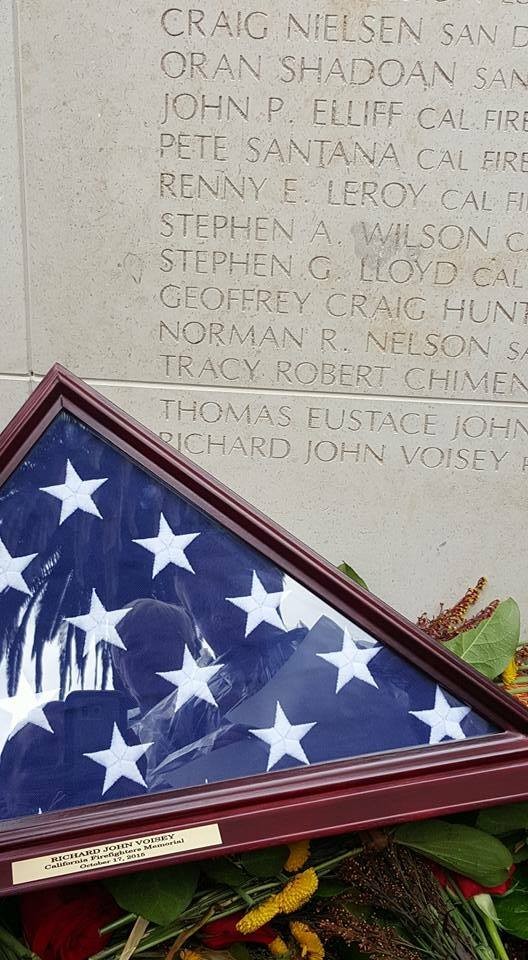
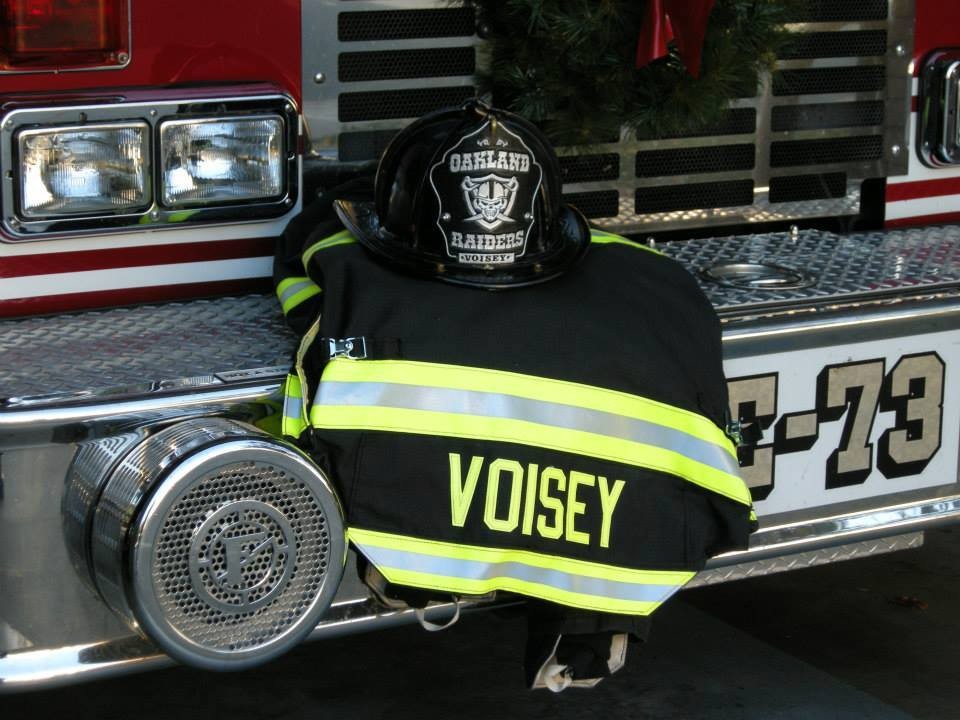
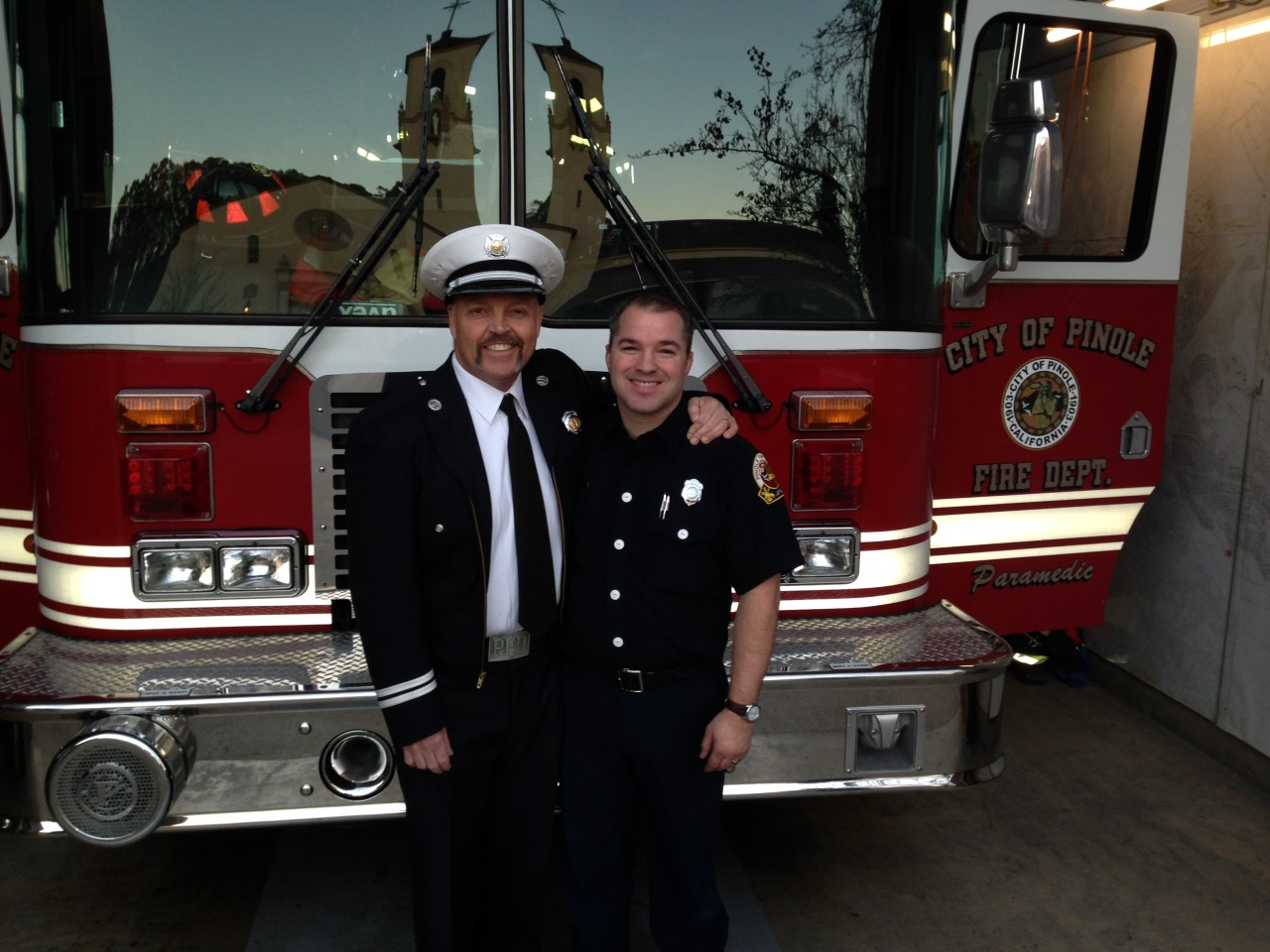
Image Credits: Author | Fire Captain Rich Voisey (L) | Pinole, California
Stay Informed
When you subscribe to the blog, we will send you an e-mail when there are new updates on the site so you wouldn't miss them.